


Will the Fed Break Its Data-Dependence? All Eyes on the 25 BP Cut
- Brett Hall
- Nov 6, 2024
- 3 min read

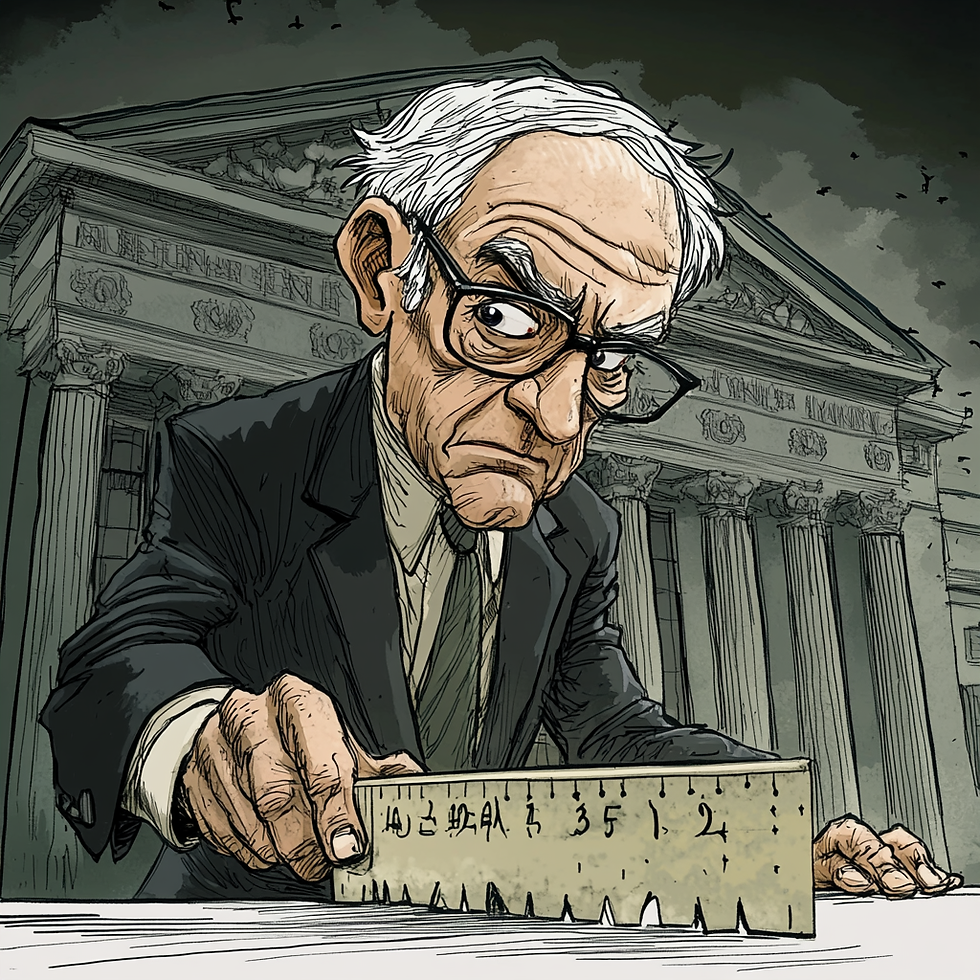
Ah, the Federal Reserve: the financial institution that loves to keep us guessing, and this week, it’s once again looking like it’s all about “the flip.” So here’s what you need to know about the drama – and yes, it involves Fed-watcher Nick T., who’s been tweeting out breadcrumbs for those of us crazy enough to try and read the tea leaves. It appears he’s basically promising us a 25 basis-point rate cut at the Fed’s meeting this week, which will be on Thursday instead of Wednesday thanks to Tuesday's election, pushing their start to Wednesday and their “grand reveal” to Thursday. Exciting times.
First, let’s rewind a bit for context. Remember when the Fed swore inflation would be “transitory”? Yeah, they omitted just how long “transitory” actually means. Turns out, the timeline includes 2022, 2023, 2024, and likely a good chunk of 2025. Not quite the “quick fade” most were hoping for. But hey, what’s a few extra years of high prices between friends? Apparently, the Fed’s ditched the “transitory” slogan to align with reality – you know, the one where things take longer than expected to normalize, and no one wants inflation riding shotgun for a full election cycle.
Now, if you ask people, some say inflation will skyrocket if Trump wins (more fiscal spending); others say the same if Harris is in, citing inflation-driven infrastructure boosts. So really, it’s one of those “flip a coin” situations – either way, we’re all bracing for bigger budgets, and if we get a split government, the silver lining is that less could actually get done (which in this case might be a win for inflation).
Then there’s the debt crisis that’s been rumored for years. True, our interest payments have reached dizzying heights, but compared to GDP, they’re not breaking records just yet. So if there’s a “big crash,” it’s likely years off. Meanwhile, government spending? Expect it to carry on as usual, with interest payments creeping higher. But don’t panic – the debt crisis isn’t quite ready for its big debut, at least not while the Fed’s got more flips to do.
So why all the pivots? Some think the Fed's 4.25% interest rate is too high, especially for an economy that’s spent the past decade on low rates between zero and 2%. Despite our nostalgia for these low rates, the current levels are dragging things down, and the Fed’s insistence on holding things here has recession watchers on edge.
And then, of course, we had “F.A.I.T.,” or “Flexible Average Inflation Targeting,” which was a fun concept… while it lasted. Jerome Powell more or less admitted it was a bit of a mirage. For a while, they were content to let inflation average out over the long term – as long as it stayed around 2%. But when inflation shot up, suddenly, that “flexible” policy was forgotten faster than a New Year’s resolution. Now, we’re moving to “higher for longer” on rates, with the Fed hinting they may tweak the “data dependency” they’ve leaned on since, well, forever.
So what’s next? Nick T’s latest article in the Wall Street Journal hints the Fed may just go with consistent 25-point cuts rather than reacting to every up or down in data. Forget the whiplash; let’s just “slow and steady” the economy. They’ll probably keep us guessing with data-driven statements but imply they’re staying steady on those 25-point cuts.
Consumer spending? That’s up. Employment? That’s getting shaky. We’ve got more temp jobs disappearing and fewer full-time jobs showing up – the kind of stuff that usually signals “recession watch.” But the Fed’s new “flip” seems to be realizing they shouldn’t get too carried away with every data report, and instead, maybe just move methodically along. It’s like switching from a roller coaster to a scenic train ride – only with the faint hope they’re not too late to the station.


Comments